

Retired NASA Engineer Finally Reveals Why Mice Always Return — And The Triple-Frequency System Quietly Changing Homes Across America
-
 by
by
 Share
Share
 Post
Post
 Share
Share
 Pin
Pin
 Share
Share
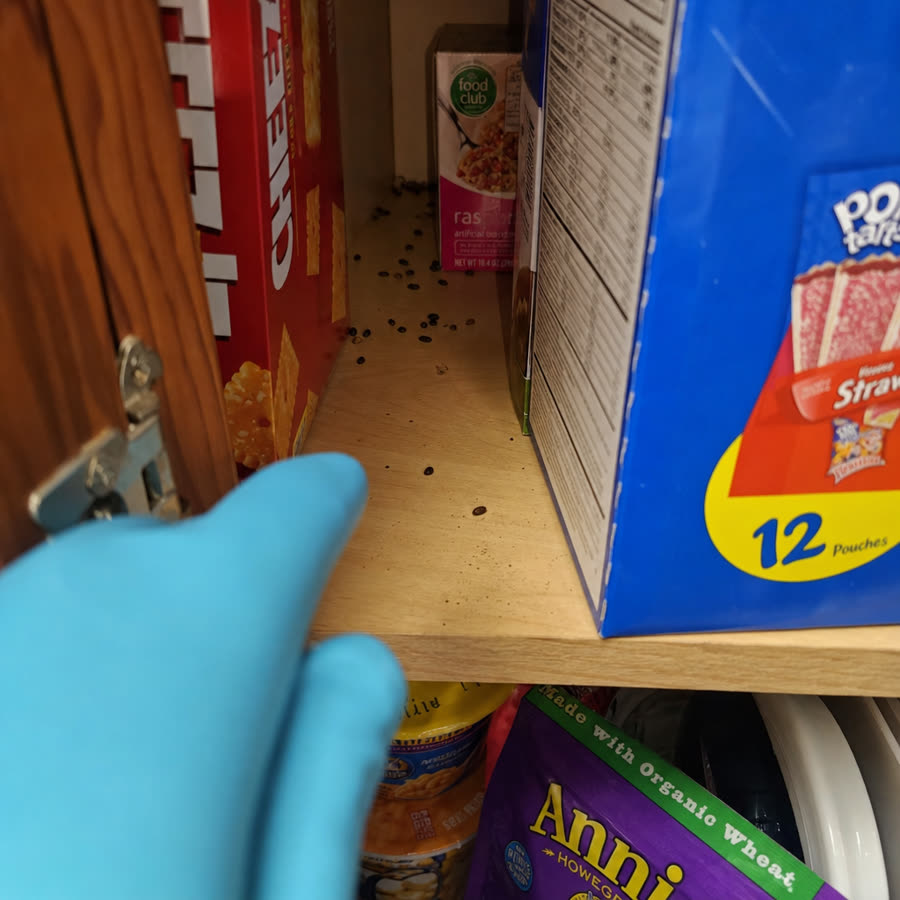
For retired NASA systems engineer Daniel Mercer, the turning point wasn’t the scratching noises in his attic.
It was when his daughter found fresh mouse droppings beside the baby bottles in the kitchen cabinet — just two weeks after a professional exterminator had declared the home “fully treated.”
“That’s when I realized something didn’t add up,” Mercer says. “At NASA, if a system failed repeatedly, you didn’t just repeat the same procedure and hope for a different outcome. You identified the hidden failure point.”
After spending 32 years working on environmental control systems for aerospace projects at NASA, Mercer had built his career around solving invisible engineering problems. Tiny flaws hidden inside walls, wiring, airflow systems, and structural cavities could compromise entire multimillion-dollar missions.
So when mice kept returning to homes across his neighborhood — despite traps, poison, and repeated exterminator visits — Mercer began studying the problem himself.
What he discovered shocked him.
“The Real Colony Isn’t On Your Floor”
Mercer spent months reviewing rodent behavior studies, home structure diagrams, and electrical field research.
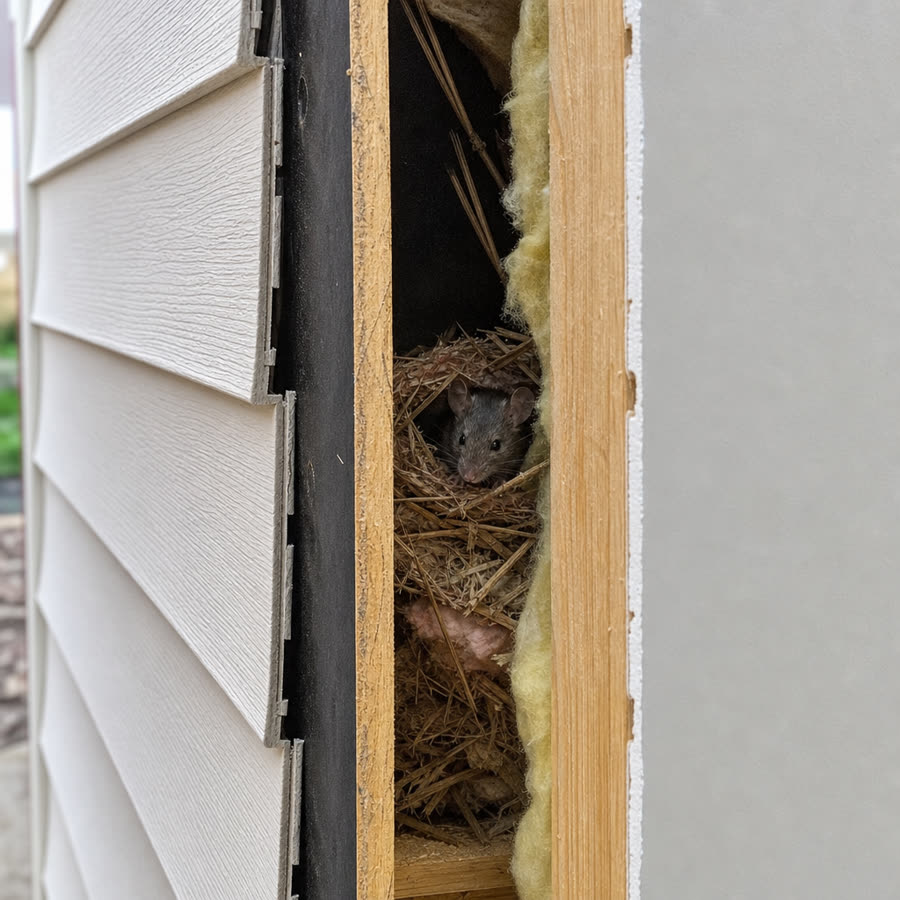
“The average homeowner thinks mice live under the sink or behind the refrigerator,” he explains. “But that’s only where they forage. The actual nesting colony lives deep inside wall cavities, insulation channels, and utility pathways.”
Inside those dark enclosed spaces, mice breed rapidly and remain untouched by conventional traps or sprays.
“One female mouse can produce dozens of offspring within months,” Mercer says. “So every mouse you catch in a kitchen trap is often replaced almost immediately by others hidden inside the structure.”
According to Mercer, most traditional pest-control methods focus on visible activity instead of the hidden nesting environment.
“That’s why people stay trapped in the same cycle year after year,” he says. “They think the problem is gone because they stop seeing mice for a few days.”
A Different Approach Inspired By Aerospace Engineering
The breakthrough came during a reunion with former aerospace colleagues.
One of Mercer’s former NASA associates had transitioned into industrial environmental systems research — specifically electromagnetic deterrent technology used in food-processing facilities and storage environments where contamination could shut down operations instantly.
“The concept immediately made sense to me,” Mercer explains. “Modern homes already contain a complete internal wiring network running through every wall cavity. If you could safely distribute rotating electromagnetic frequencies through that system, you could make the nesting environment unstable for rodents without using chemicals or traps.”
Unlike static ultrasonic devices that rodents often adapt to, the system Mercer worked on used rotating multi-frequency patterns.
“The frequency shifts constantly,” he explains. “That prevents habituation. The rodents don’t die inside your walls — they simply stop nesting there and leave through the same entry points they used to get in.”

The Development Of VermixPulse Pro
Over the next two years, Mercer collaborated with a small group of retired engineers and electronics specialists to refine the technology into a consumer-ready device.
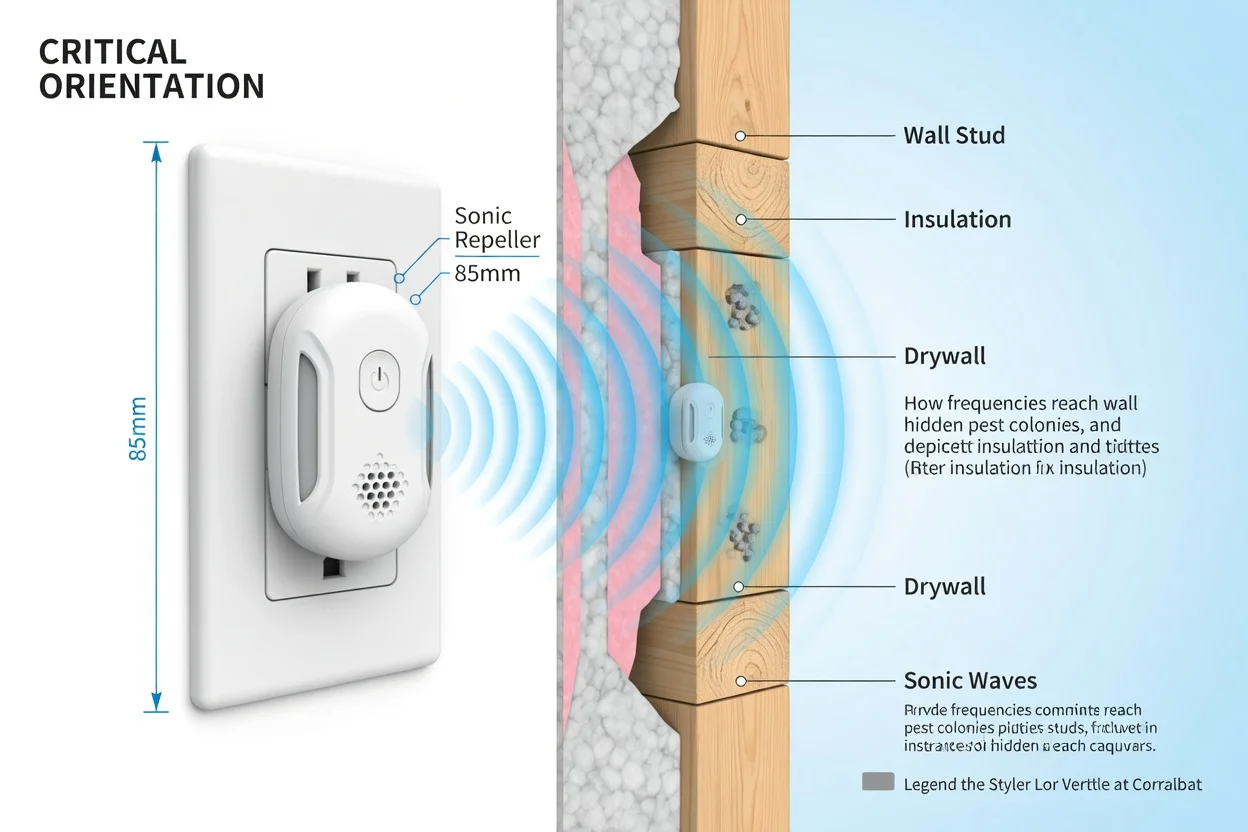
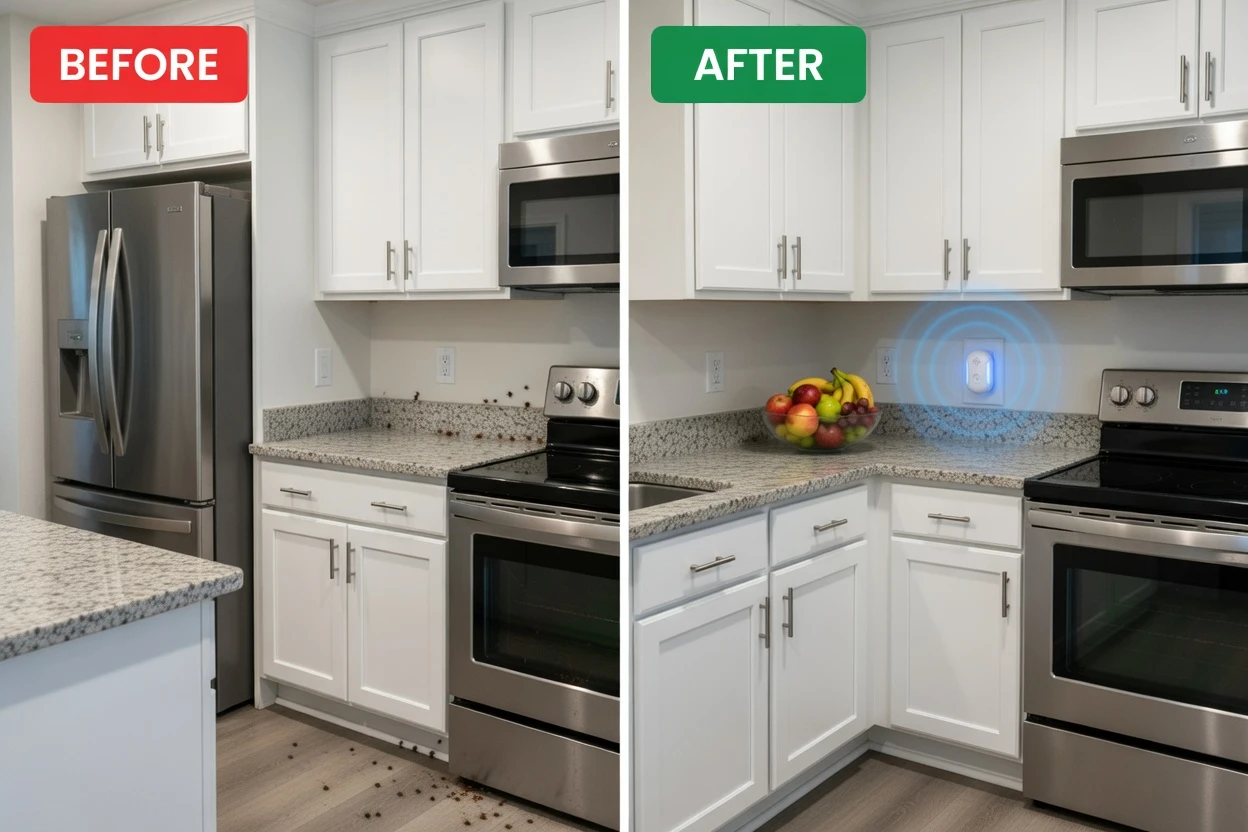
The result became VermixPulse Pro — a compact plug-in unit designed to emit a combination of ultrasonic, electromagnetic, and adaptive pulse frequencies throughout a home’s internal wiring structure.
According to Mercer, the goal was never to “kill mice.”
“The goal was to make the structure itself biologically uncomfortable for nesting,” he says. “Once the walls no longer feel stable or safe, the colony naturally relocates.”
Unlike traditional pest control systems:
-
No poison is placed inside walls
-
No traps need constant resetting
-
No dead rodents decompose in hidden spaces
-
No quarterly exterminator appointments are required
Early Home Testing Produced Unexpected Results
Mercer first tested the system quietly among homeowners in his Arizona neighborhood.
One family that had spent over $1,200 on repeated exterminator visits reported that scratching noises inside the walls stopped within roughly two weeks.
Another homeowner said pantry contamination and visible droppings disappeared after the first month.
“The most surprising part,” Mercer says, “was how many people told me they finally slept through the night without hearing movement in the attic.”
Professional follow-up inspections reportedly showed significantly reduced signs of active nesting activity in several of the test homes.
Why More Families Are Looking Beyond Traditional Traps
Interest in non-chemical rodent solutions has increased sharply as homeowners grow concerned about contamination risks associated with rodents inside living spaces.
Mercer points to public health concerns involving bacteria and airborne particles linked to rodent waste exposure.
“Most people think of mice as an annoyance,” he explains. “But hidden infestations can affect food storage areas, insulation, air circulation systems, and indoor hygiene far more than homeowners realize.”
Families with pets, children, or elderly relatives are especially interested in solutions that avoid poisons or bait stations.

The Technology Is Now Being Released Directly To Consumers
Rather than licensing the system to large pest-control companies, Mercer chose to release VermixPulse Pro directly online.
“We wanted homeowners to have access without expensive service contracts attached to it,” he says.
The device is currently available through a limited direct-distribution rollout while production scales.
According to Mercer, demand increased significantly after several independent home-review sites and consumer blogs began discussing the technology earlier this year.
What Homeowners Are Reporting
Many early users report improvements such as:
- ✅ Reduced scratching noises inside walls and ceilings
- ✅ Fewer visible droppings in kitchens and pantry spaces
- ✅ Less reliance on traps and chemical bait stations
- ✅ Improved peace of mind for families with children or pets
- ✅ No ongoing maintenance beyond plugging in the device
Mercer emphasizes that results vary depending on infestation severity and home structure, but says the engineering principle behind the system remains consistent.
“You don’t fight the symptom,” he explains. “You change the environment causing the problem.”
Current Availability
To support the wider rollout, VermixPulse Pro is currently offering a limited introductory discount for new customers ordering directly online.
The company also states that every order includes a 90-day satisfaction guarantee.
Mercer says the mission is simple:
“If we could engineer systems reliable enough for aerospace environments, we should absolutely be able to engineer a smarter solution for something as common as mice inside homes.”
UPDATE * – Since this article was first published, VermixPulse Pro has seen a significant demand surge following increased national media coverage of rodent-borne illness in American homes. The company has confirmed a special one-time reader discount — but only while current inventory holds.
Click the button below to secure your VermixPulse Pro at the reader discount price while supplies last.
Help Make This Story Go Viral, Share It:
Share
Post
Share
Pin
Share